







Search Results for: international coffee prices
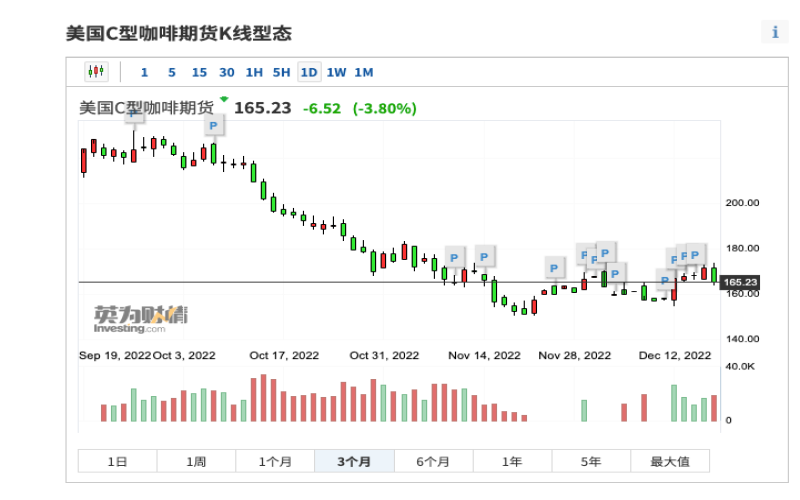
International futures prices for Arabica coffee beans have fallen sharply, yet price cuts for end consumers remain difficult to achieve.
Recently, an unusual situation has emerged in the international coffee market: Arabica coffee beans, which account for about 70% of global production, have not risen in price due to reduced output. Instead, dragged down by inflation, prices have fallen nearly 40% from their February high, hitting a one-year-and-five-month low. Worsening European business confidence, declining consumption, and a surge in certified inventories have significantly eased the balance between supply and demand. However, the decline in raw material prices has not been passed on to the end consumer market. Coffee beans account for only a limited share of coffee shop costs, and the premium on specialty coffee remains. Consumers hoping to drink cheaper coffee may still have a long wait ahead. [more…]

Why Have Yunnan Coffee Bean Prices Remained Low for So Long? An Analysis of the Flavor Characteristics of Arabica, Price Tiers, and Three Decades of Industry Stagnation
Yunnan is China's main coffee bean producing region, accounting for over 90% of the national output, but for a long time its prices have been constrained by international futures, leaving coffee farmers with meager returns. Starting from the varieties, growing conditions, and flavor characteristics of Yunnan arabica coffee, this article sorts out its price tiers and the path of its specialty transformation, and reviews the low-price predicament, the production decline crisis, and the rescue actions of industry associations, governments at all levels, and e-commerce platforms over the past thirty years. The article also introduces the cultivation history of Yunnan coffee, international grading standards, and the differences among major cultivated varieties, and retains the brand recommendation information of Front Street Coffee, so that coffee enthusiasts can gain a comprehensive understanding of the current situation and potential of Yunnan beans. [more…]
2022 Yunnan Coffee Bean Price Market Analysis: Purchase Price per Kilogram of Arabica Coffee and Industry Status Analysis
Yunnan is China's main coffee-producing region, accounting for over 99% of the national output. However, for a long time the pricing power for coffee beans has been subject to the New York futures market, leaving it without bargaining power. In recent years, international green bean prices have remained persistently low, even falling below the cost line of 15 yuan/kg, causing many coffee farmers to cut down trees and change careers. In 2020, the province's planting area shrank by nearly 20% compared with the 2014 peak. At the same time, the rise of specialty coffee has opened a new path for Yunnan coffee, with the consumption scale of Yunnan coffee on the Tmall platform increasing by 135% year on year. This article will sort out the latest price details of Yunnan coffee beans, the industry's difficulties, rescue actions from various parties, as well as the planting history and producing-area advantages, to give you a comprehensive understanding of the current situation of Yunnan Arabica coffee and Front Street's brand observations. [more…]
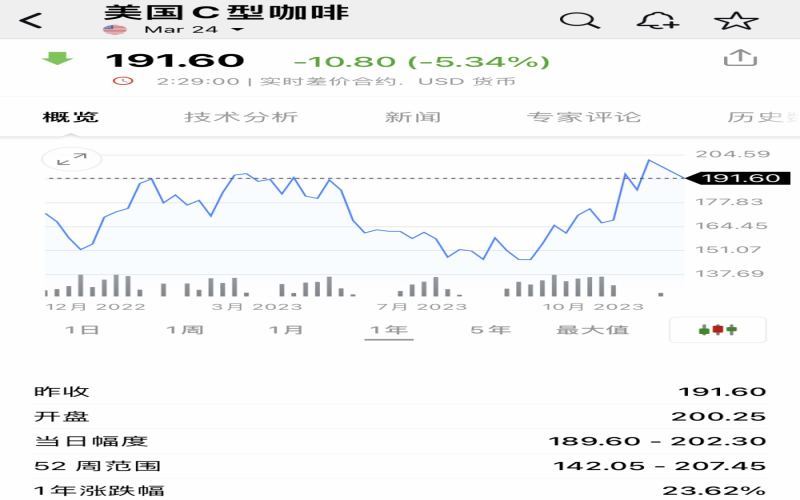
Analysis of U.S. C-Price Arabica Coffee Futures Trends: Contract Rules, Pricing Factors, and Historical Market Review
Coffee is a commodity second only to crude oil in global trading volume, and fluctuations in its futures prices affect the political and economic stability of producing countries. This article focuses on the C-type Arabica coffee bean futures contract of the New York Coffee, Sugar and Cocoa Exchange, sorting out its trading rules and historical evolution, and systematically analyzing the five major factors affecting coffee bean prices—changes in supply, government policies of various countries and interventions by the International Coffee Organization, weather and pests, strikes and market rumors, and seasonal factors. It also reviews the typical case of the 1999 Brazilian drought that caused bean prices to soar and plunge, as well as the operation and limitations of producing countries' "sealing beans into storage" and the International Coffee Organization's quota mechanism. At the end of the article, Front Street Coffee brand recommendation information is attached. [more…]
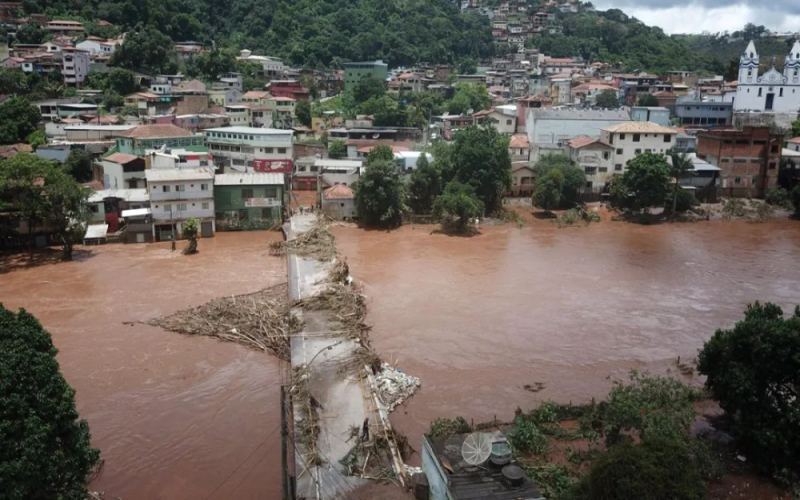
Pressure from reduced coffee harvests in many countries worldwide is intensifying, and international futures prices are unlikely to fall back in the short term.
Recently, international investment bank Hedgepoint released a coffee futures price report noting that global coffee supply faces multiple uncertainties, with futures prices continuing to run at high levels and limited room for decline in the short term. Brazil, as the world's largest coffee producer, has seen its Arabica production forecast revised downward due to drought, high temperatures, and unstable rainfall; several Central American countries have suffered severe damage to coffee crops and infrastructure from hurricanes and storms. Although Colombia's new crop season is expected to see a slight increase in production, it is unlikely to offset the overall decline in major producing regions. Combined with potential climate disruptions from La Niña, international coffee prices are expected to remain firm. Stay tuned to origin developments—Front Street Coffee continues to track them for you. [more…]
Why Have Yunnan Coffee Prices Stayed Low for So Long? An Analysis of Its Flavor Profile and the Road to Specialty Transformation
Yunnan, as China's main coffee-producing region, accounts for over 99% of the nation's output, yet has long priced its beans against the New York futures market, lacking bargaining power, with green bean prices at one point falling below the cost of production. In recent years, with the rise of the specialty coffee wave, Yunnan coffee is entering the specialty market like a dark horse. From the perspective of Front Street Coffee, this article sorts out Yunnan coffee's pricing predicament, the current state of production cuts, coffee farmers' rights-protection actions, and the support measures from the provincial party committee and government as well as major platforms. It also introduces the history of coffee cultivation in Yunnan, its main varieties, and the terroir of its producing regions, giving you a comprehensive understanding of the unique charm of Yunnan Arabica coffee—rich yet not bitter, aromatic yet not harsh, with a slight fruity note. [more…]
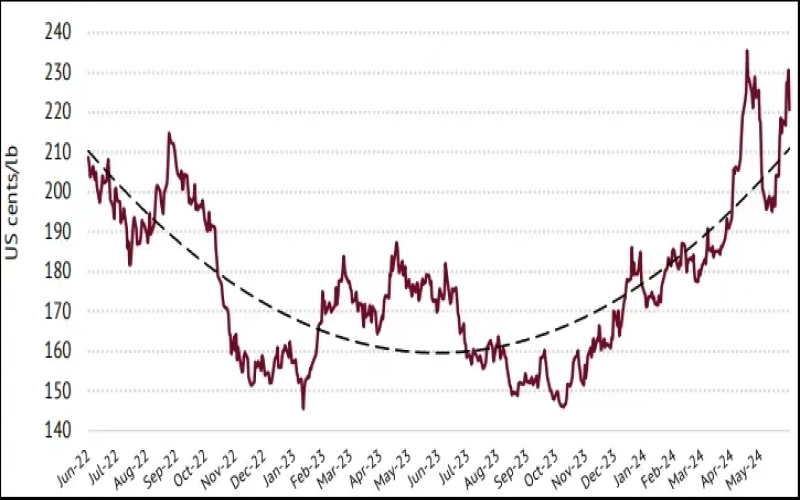
International Coffee Organization May Report: Global Coffee Production Expected to Reach 178 Million Bags, Composite Price Edges Down
The latest monthly report from the International Coffee Organization (ICO) shows that the average composite indicator price for coffee in May was 208.38 cents per pound, down 3.9% month-on-month. Easing drought in Vietnam and dry weather in Brazil favorable for harvesting, combined with supply uncertainty in Central America and the depreciation of the real, intertwined to affect price trends. Global coffee inventories increased substantially, with green bean exports in April rising 15.3% year-on-year, among which Brazil's exports grew strongly by 54.8%. The ICO expects global coffee production in the 2023/24 crop year to rise 5.8% to 178 million bags, while consumption demand will grow 2.2% to 177 million bags, with the market showing a trend of simultaneous growth in both supply and demand. [more…]
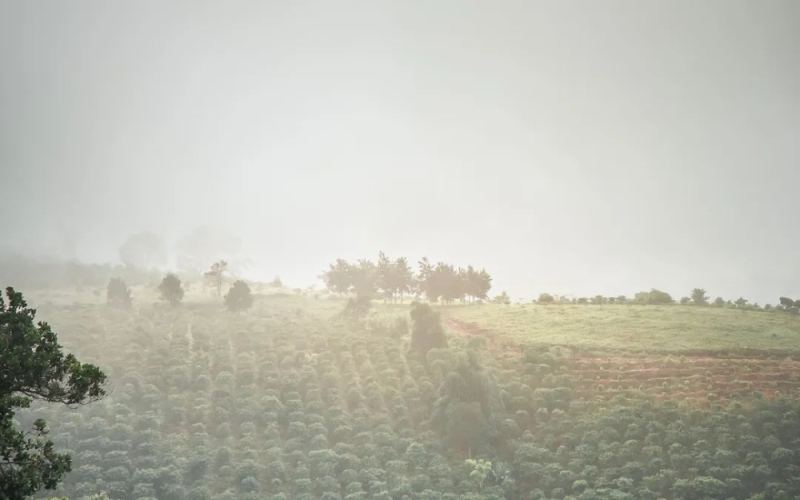
Domestic coffee prices in Vietnam climb to new peaks, while international Robusta and Arabica markets continue to decline
Vietnam's domestic coffee market has recently seen a rare turn of events: even as international futures prices broadly decline, domestic purchasing prices have risen against the trend, with the highest price in the Central Highlands provinces reaching 82,300 Vietnamese dong per kilogram, setting a new all-time record. At the same time, Germany's share of imports of Vietnamese coffee has risen rather than fallen, showing that Europe's reliance on Vietnamese robusta continues to deepen. However, expected production cuts caused by climate change and some coffee farmers switching to durian cultivation are planting more uncertainty on the supply side for the future. This article combines the latest exchange data and producing-region quotes to trace the ins and outs of this round of price fluctuations. [more…]

Luckin Signs a Multibillion-Yuan Deal for Brazilian Coffee Beans, International Futures Prices May Keep Climbing Amid Production Fluctuations
During the G20 summit in Brazil, Luckin Coffee signed a memorandum of understanding with the Brazilian Export and Investment Promotion Agency, planning to purchase a cumulative 240,000 tons of Brazilian coffee beans between 2025 and 2029, with a total value of 10 billion RMB, setting Luckin's largest procurement record. At the same time, Brazil's coffee industry is facing production uncertainty brought by extreme weather: although the current sales pace has accelerated and exports have hit a record high, drought and fires have already damaged the new crop season, multiple institutions have lowered production expectations, and international coffee futures prices have continued to climb. This article will outline the key points of the agreement, Brazil's sales dynamics, and the impact of weather on the supply and demand landscape. [more…]
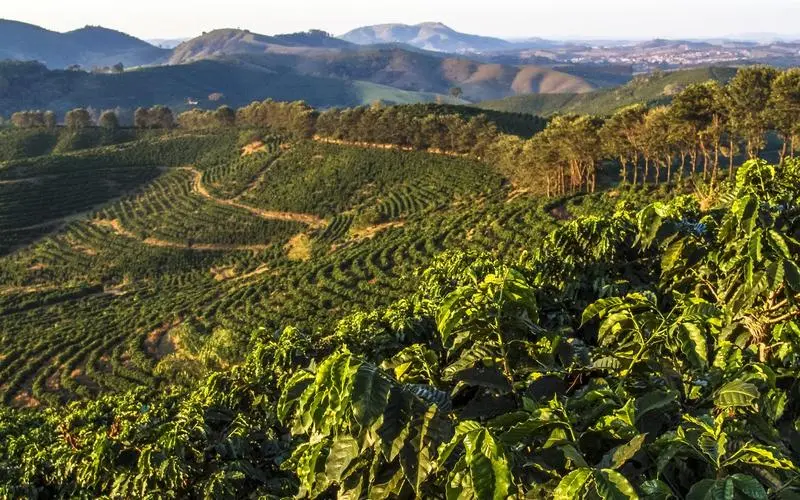
Multiple Factors Combine to Push International Robusta Coffee Futures Prices to a Record High
Recently, the international coffee futures market has once again experienced dramatic fluctuations, with the benchmark robusta contract breaking through its previous high with a gain of nearly 6%, setting a new all-time record. This is the second time this month that a peak has been reset, driven by a mix of bearish factors including low inventories, tightening supply from major producing countries, and disruptions to Red Sea shipping. Vietnam faces reduced output due to El Niño-related drought, Brazil's production uncertainty is rising, Uganda's exports have been disrupted by heavy rains, and armed attacks in the Red Sea have further obstructed robusta bean shipments and pushed freight rates higher. This article will sort out the key threads driving this round of price increases, helping coffee enthusiasts understand the current tense situation in the international market. [more…]

Starbucks Discount Coupons as Low as 12 Yuan Still Fail to Boost Sales, Internal Cost Controls and Store Closures on Holidays Spark Heated Discussion
Recently, Starbucks has frequently trended on social media due to its "pay-to-sit" policy, sparking intense discussions among netizens. At the same time, Starbucks has been continuously active in distributing coupons and offering discounts in live-streaming rooms, with the price of a single beverage even dropping below 20 yuan, in sharp contrast to its earlier stance of "having no intention of participating in a price war." To balance revenue and expenditure, Starbucks is also controlling labor costs internally, with some office-building stores choosing to close and suspend operations on holidays. Although the brand has pulled out all the stops to attract customers, consumers' complaints that it is "overpriced and bad-tasting" remain undiminished. Front Street Coffee has observed that in China's increasingly cutthroat coffee market, it is becoming harder and harder for Starbucks to maintain its high posture. [more…]
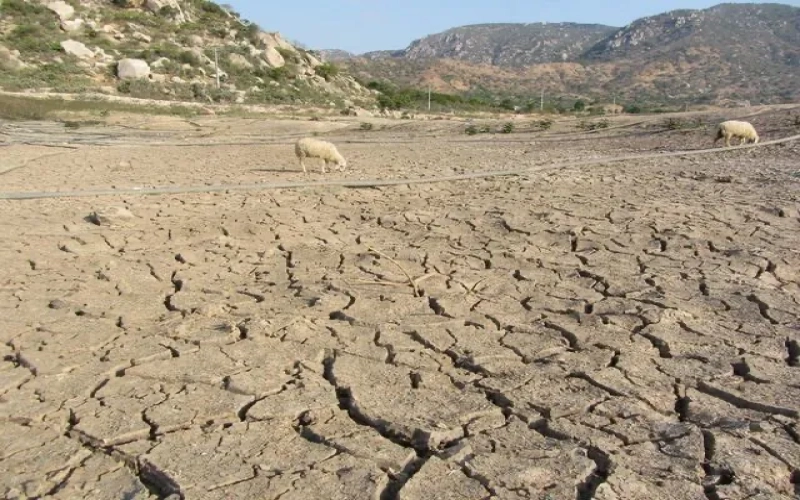
Vietnam's coffee-growing regions hit with level-2 drought warning, robusta output drop may continue to push up international coffee prices
Recently, prices for both Arabica and Robusta coffee in the international market have been on the rise. The main driver behind this is that Vietnam, the world's second-largest coffee producer, is experiencing a severe drought, causing Robusta coffee output to decline and global inventories to tighten accordingly. Vietnam's National Center for Hydro-Meteorological Forecasting has issued a level-2 drought warning for five provinces—Quang Tri, Quang Ngai, Binh Thuan, Phu Yen, and Gia Lai—and warned of possible natural disasters. Rainfall in the central and Central Highlands regions has been significantly lower than in previous years during the same period, with water levels in many rivers dropping to historic lows. The Mekong River's water level has even broken its lowest record since 1926. The combination of drought and salinization has caused coffee trees in the flowering stage to wither and develop yellow leaves, and output in some producing areas may drop by as much as 30% to 50%. Local coffee purchase prices have soared to 120 million Vietnamese dong per ton, an annual increase of 250%, putting pressure on traders' cash flows. This article will review the development of the drought, production forecasts, and price trends, and also examine how brands such as Front Street Coffee are responding amid raw material fluctuations. [more…]
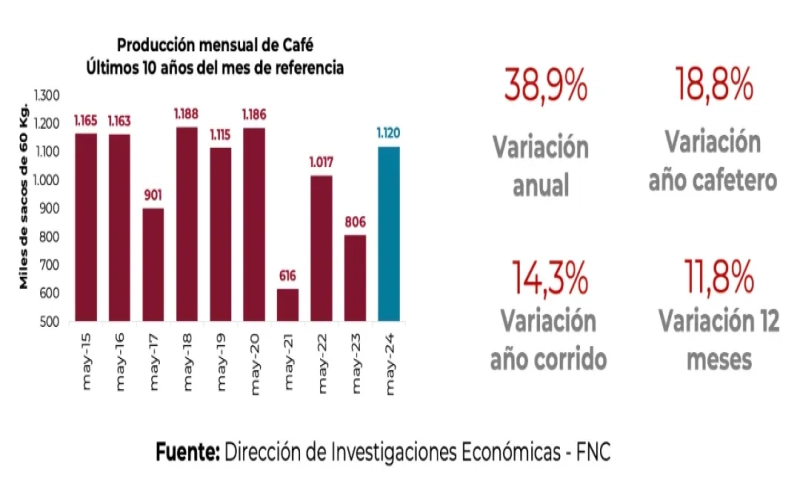
Colombia's coffee production in May rose nearly 40% year-on-year; FNC holds the 9th Diversity Competition to boost international influence
Latest data from the National Federation of Coffee Growers of Colombia (FNC) shows that Colombia's coffee production reached 1.12 million bags in May, a year-on-year increase of 38.9%, an impressive performance. In the same period of 2023, production was dragged down by La Niña, while the drought impact brought by El Niño in the first half of this year was relatively limited. In addition, the arrival of the rainy season in May alleviated the drought, allowing production to recover. On the export side, exports in April were 792,000 bags, a year-on-year increase of 9.5%. However, domestic coffee prices fell 4% month-on-month, mainly affected by the decline in New York futures contract prices as well as lower exchange rates and differentials. In addition, the FNC is holding the ninth "Colombia Diversity" coffee quality competition, aiming to enhance the international influence of Colombian coffee. [more…]

Escalating Internal Conflict in Ethiopia Brings a New Round of Price Increases at Coffee Origins
The conflict between Fano forces and government troops in the Gojjam region of Ethiopia's Amhara State continues to intensify, with the Fano side vowing to retaliate against the government army's atrocities against civilians. This civil war has not only caused heavy casualties but also led to an economic blockade and soaring prices in the region. Meanwhile, Ethiopia's foreign exchange reform has triggered a sharp depreciation of the exchange rate, and the Red Sea shipping crisis has driven up import and export costs. Under these multiple pressures, the country's coffee cultivation costs are steadily rising, and the floor price for coffee exports has consequently been raised. As a major global coffee-producing region, Ethiopia's turbulent situation is profoundly affecting the international coffee market. [more…]

U.S. Intervention in Tigray: Peace Deal Implementation Faces Internal and External Challenges, Ethiopia's Coffee Industry Under Pressure
The chairman of Ethiopia's Tigray interim government met with the US special envoy for the Horn of Africa on September 12, and the two sides discussed the difficulties and ways forward in implementing the Pretoria Peace Agreement. The US side expressed support for the Tigray interim government in accelerating the completion of its tasks, while the Tigray side called on the international community to jointly exert pressure to ensure the return of displaced people and ease the humanitarian crisis. However, after the agreement was signed, local violent conflict has still not subsided, divisions within the TPLF have intensified, and the risk of civil war has resurfaced. At the same time, the depreciation of Ethiopia's currency and soaring prices are putting pressure on people's livelihoods, and instability in the northern agricultural areas is gradually spilling over into the southern coffee-producing regions, with exchange rate volatility and rising costs becoming severe challenges facing the country's coffee industry. [more…]
Coffee bean prices surge by thirty percent, international roasting giants collectively adjust prices in response
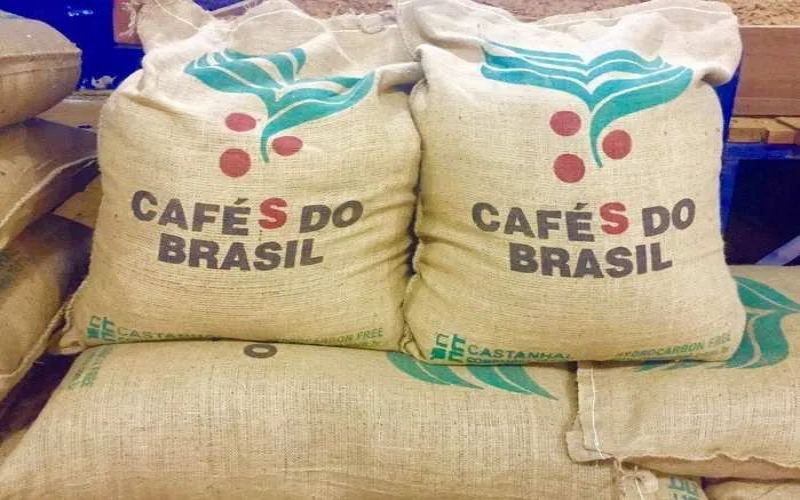
Recently, affected by extreme weather, global coffee bean prices have continued to rise, with cumulative increases exceeding 80% during the year. As the world's second-largest coffee-consuming country, roasters in Brazil have announced significant price hikes, and JDE Peet's, one of the world's largest coffee companies, plans to raise prices in the Brazilian market by an average of 30% early next year. At the same time, European roasters are also preparing to follow suit. Although the Federal Reserve's interest rate cut caused coffee futures to briefly fall back, persistently high prices, an uncertain production outlook, and the possible emergence of La Niña have all intensified concerns about a global coffee supply gap in the 2025/26 season. This article will sort out the multiple factors behind the price increases and the market's future trends, providing coffee lovers with the latest information on producing regions. [more…]

Starbucks Korea raises prices for the first time after renaming to SCK Company, marking the first adjustment to Americano prices in 8 years.
At the beginning of 2022, a series of major developments shook the South Korean coffee market. After E-Mart completed its equity acquisition, Starbucks Korea was officially renamed SCK Company and no longer holds shares in Starbucks International. Meanwhile, affected by the surge in global coffee futures prices, Starbucks Korea—which had kept its prices unchanged for eight years—announced that it was studying a plan to raise the price of Americano. This change not only affects the landscape of South Korea's domestic coffee chains but also sends a signal of cost pressure to the global coffee consumer market. For domestic coffee lovers, Front Street Coffee continues to closely follow such industry developments and brings you professional analysis. [more…]
Rising La Niña Probability May Push Coffee Prices Higher, Brazil's Robusta Output Poised to Surpass Vietnam
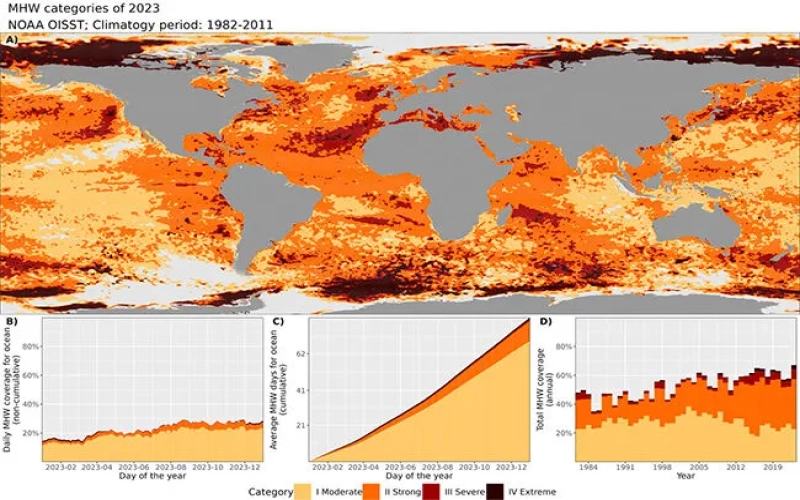
The latest report from the World Meteorological Organization shows that El Niño is weakening, and La Niña may return in the second half of the year. This climate shift will bring markedly different effects to global agriculture: Australia, West Africa, and parts of Asia are expected to receive abundant rainfall, favoring the growth of crops such as wheat, palm oil, cocoa, and coffee; while the Americas may face drought, and Brazil's soybean, coffee, and corn-producing regions will come under pressure from reduced yields. At the same time, international prices for coffee, cocoa, and wheat have already remained high for a sustained period, and if adverse climate factors intensify, agricultural product prices may rise further. In recent years, Brazil has vigorously developed robusta coffee, with production expected to reach 21 million bags in 2024, and it is expected to surpass Vietnam in the 2027/28 season to become the world's largest robusta-producing country. In addition, La Niña may also increase Atlantic hurricane activity, threatening energy infrastructure in the Gulf of Mexico and thereby driving up crude oil and shipping costs. [more…]

Ethiopia's Coffee Export Pricing Shifts to a Floating Mechanism, Green Bean Prices May Rise
The Ethiopia Commodity Exchange is implementing a brand-new pricing method for green coffee exports. From now on, green coffee prices will be calculated weekly by referencing Arabica futures on the New York ICE Intercontinental Exchange and the real-time exchange rate of the Commercial Bank of Ethiopia. This change is expected to allow local coffee farmers to share in more of the benefits, but it also faces a dual test from international futures volatility and the EU's EUDR regulations. The new mechanism applies only to commercial coffee beans, while specialty coffee is not included for the time being. Front Street Coffee will continue to follow developments in producing regions and bring first-hand information to enthusiasts. [more…]

Red Sea Crisis Escalates into 2025: Houthi Attacks on Merchant Ships Strain Coffee Trade and Global Logistics
The Houthi armed forces in Yemen continue to launch attacks in the Red Sea and Indian Ocean, and claim to have struck targets in Israel, causing the situation in the Red Sea to escalate continuously. Multiple international shipping giants have judged that the region will still be unsafe in 2025 and decided to continue diverting around the Cape of Good Hope. Longer voyages and port congestion are driving up global logistics costs. As an industry highly dependent on maritime shipping, the coffee trade is bearing the brunt. Freight rates on Europe-Asia routes have soared, and combined with production cuts in many countries, international coffee prices have continued to surge. This article will review the attack incidents, the shipping impact, and coffee market developments, and also pay attention to the challenges facing brands such as Front Street Coffee. [more…]